 EN


Blonde hair extension color acceptance should be based on an approved reference and a repeatable viewing procedure. A shade code alone does not define brightness, warmth or the appearance of roots. Agree on the standard before a bulk order, particularly when replacing a familiar supplier.
Keep a protected physical reference where possible. Record its shade identity and approval date, and clarify whether it applies to the same length, texture and construction as the order.
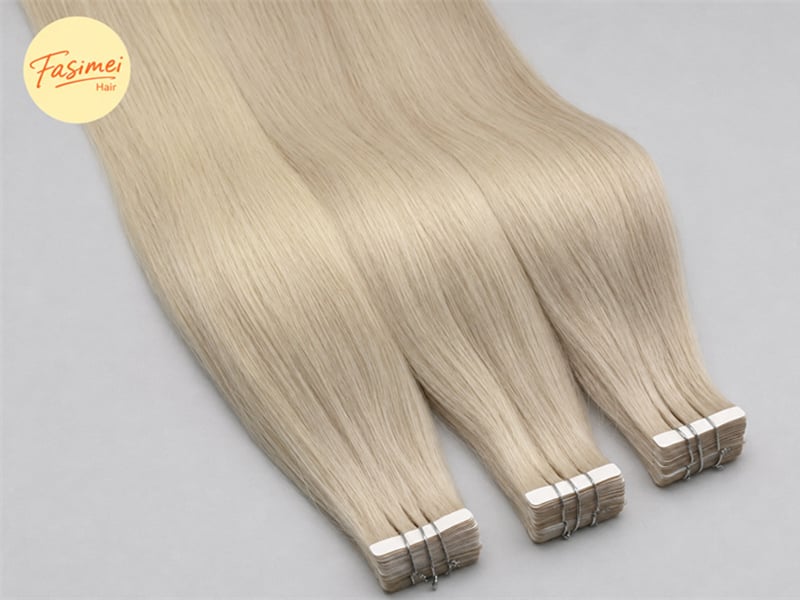
A sample can be close in lightness but too warm or too cool. Describe those differences separately so the supplier knows what needs review. Root depth and dimensional placement also require separate assessment.
Avoid approving color from a photograph taken under a single warm ceiling light. Screen displays and camera processing can shift the appearance. Photos support a discussion but should not be the only acceptance standard.
Use a consistent light source, neutral background and sample arrangement. Compare dry samples in the same condition and look from more than one angle. Reflective highlights can make part of the hair appear lighter than its underlying shade.
Document the viewing setup so a second person can repeat it. If a brand uses instrumental color measurement, define the equipment and procedure before adopting numerical limits. Do not borrow a tolerance without validating its relevance to hair.
Decide whether color is checked only at receiving or also after an agreed care procedure. Record shampoo, water conditions and drying method. A color acceptance test should not include unapproved chemical treatment.
Use rooted hair extension color matching for root and dimensional requirements. Connect the accepted reference to your hair extension product specification sheet, with photographs used as supporting records.
When a batch looks different, record order number, shade, affected quantity and comparison conditions. Send unfiltered photographs of the delivery alongside the reference. Preserve unused pieces so the supplier can examine the issue.
Do not promise clients that every blonde sample is suitable for further bleaching. For a new shade request, discuss your product requirements with Fasimei and obtain product-specific guidance before chemical changes.
No. Agree on a reference and include root or dimensional details where relevant.
Use the condition defined in the specification; dry comparisons are usually more useful for the final visible shade.
Filters add another uncontrolled change. Use consistent lighting and unfiltered comparison photographs.