 EN


Repeat-order consistency starts with an identifiable reference, not the instruction to make it like last time. Keep the approved product specification, sample identity and color reference together. Natural hair can vary, so the buyer and supplier need to agree which differences are acceptable.
A reorder should state the previous order number and the current specification revision. If the reference has been worn, washed or exposed to sunlight, identify those changes before using it to judge a fresh batch.
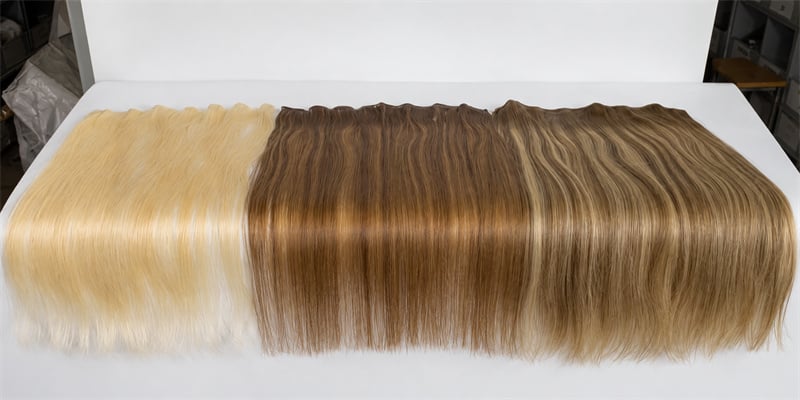
Keep one sample protected as a master reference and use another for washing or handling. Label both with shade, method, length and approval date. A sample that has changed through repeated handling is a poor standard for color acceptance.
Reference storage should be consistent and away from strong light. Retain representative pieces from delivered orders where commercially practical. They help establish whether a complaint concerns a new batch or normal changes during use.
Ask the supplier to disclose relevant changes in product construction or agreed processing. Buyers should also track changes in packaging, shipping conditions, care instructions and installation practice. A different result does not automatically prove that the raw material changed.
Create a short receiving record for every delivery. Note weight checks, shade assessment, visible construction differences and the sample selected for performance testing. Use the same procedure so comparisons remain meaningful.
Use the same lighting, background and sample arrangement for color checks. Keep the wash products, water conditions and drying method consistent for performance comparisons. Record deviations instead of presenting unequal tests as supplier differences.
The hair extension product specification sheet should identify acceptance criteria. Refer to a controlled hair extension sample test for the performance procedure, then apply it consistently to samples drawn from repeat orders.
When a delivery differs from the reference, isolate affected items and send batch details with unedited photographs. Ask for an investigation rather than immediately changing several specifications. Establish whether the difference is acceptable, requires correction or needs a new sample.
A repeat-order review is especially useful before increasing volume or adding a shade family. Discuss your product requirements with Fasimei and identify which reference your next order should follow.
Exact biological identity is unrealistic. Consistency means meeting agreed requirements within defined tolerances.
Agree on a sampling plan appropriate to order size and risk. A single selected piece cannot establish the quality of an entire delivery.
Review it when it deteriorates or the specification changes. Approve and label the replacement before retiring the earlier standard.