 EN


A useful hair extension quality complaint identifies what happened, which products were affected and how they were used. Preserve that information before washing, recoloring or replacing attachments. Those actions can change the evidence needed for an investigation.
Describe the observation without deciding the cause immediately. Tangling, attachment failure and color mismatch require different checks even when they appear in the same installation.
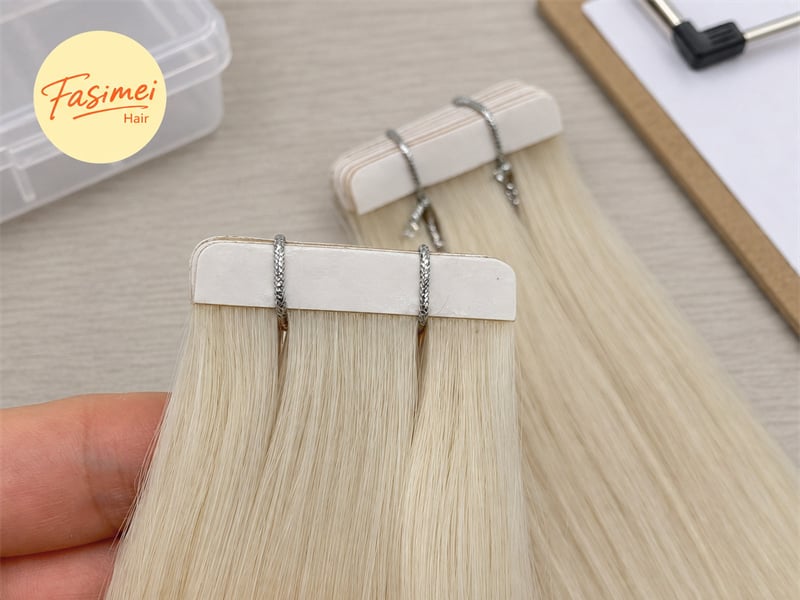
Record order number, batch or pack identification, shade, length, method and affected quantity. Note when the product was received, installed and first observed to have a problem. Separate unused stock from installed or altered pieces.
If several clients are affected, create separate case records and look for common factors later. Do not combine unrelated orders into one unexplained total.
Use clear, unfiltered photographs in consistent light. Include an overall view and close-ups of the affected area, attachment or ends. For a color concern, place the product next to the approved reference and explain the viewing conditions.
Get permission before sharing client images and remove identifying details that are unnecessary. Do not use beauty filters or AI retouching on complaint evidence; they can obscure the condition being assessed.
Ask the professional installer for preparation, placement, tools, removal and maintenance details where relevant. Record products used on the hair and any coloring or heat treatments. Keep the tone neutral; collecting history is part of investigating possible causes.
Compare the item with the hair extension product specification sheet and review repeat order quality consistency records. A retained unused sample can help distinguish delivered condition from changes during use.
Send an organized case summary and ask which samples the supplier needs to inspect. Confirm return instructions before shipping. Preserve chain-of-reference labels so returned items can be connected to the complaint.
The investigation may lead to care advice, further testing or a commercial resolution under the agreed order terms. It should not begin with an unsupported guarantee. Discuss your product requirements with Fasimei and provide the case record when requesting a review.
Document the original concern and ask for guidance first. Recoloring can change the product and complicate assessment.
Usually not. Photographs show observations; samples, order records and use history may be needed to determine the cause.
That depends on the findings and agreed commercial terms. This guide does not set a refund policy.