 EN
EN

Achieving and maintaining your ideal hair color is an investment. To protect that investment and extend the vibrancy of your color, it's essential to understand what causes fading and how to prevent it. Here’s a comprehensive breakdown of the primary factors and actionable solutions.
1. Aggressive Cleansing: The Role of Shampoo
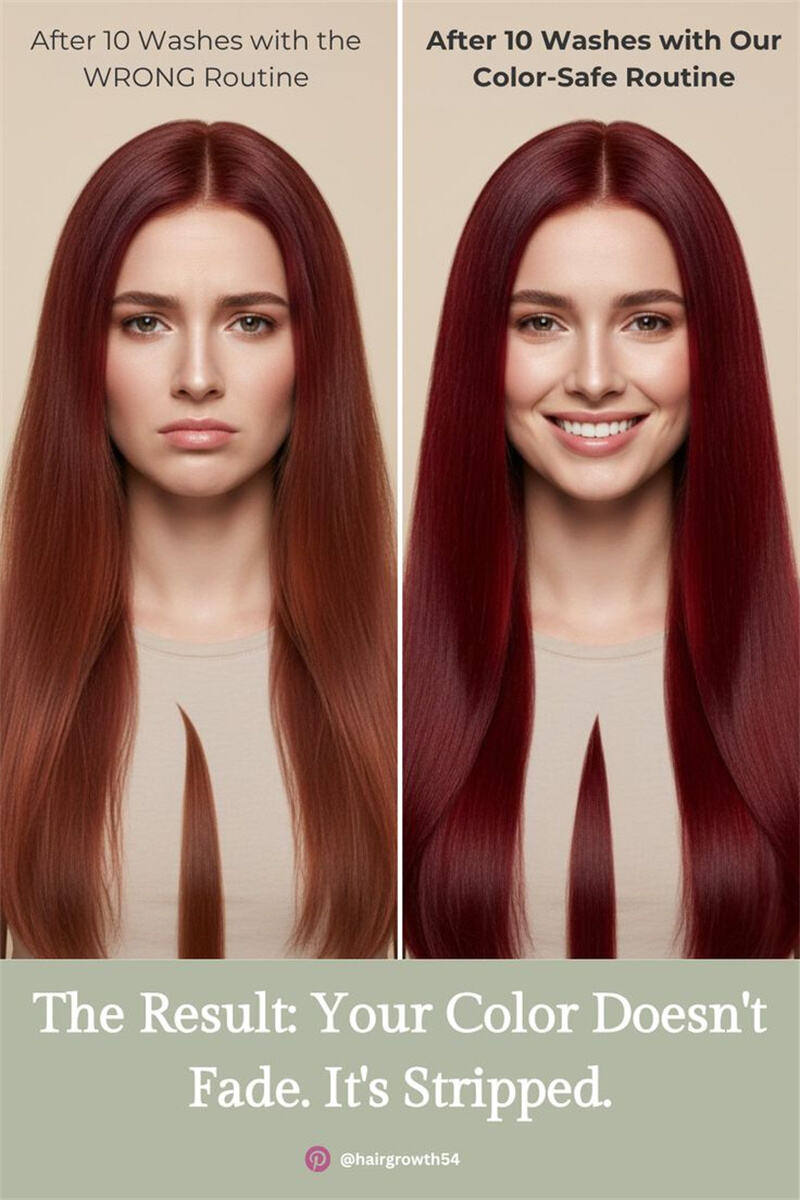
· The Cause: Many standard shampoos contain harsh sulfates (like SLS/SLES) designed to cut through oil. While effective for cleansing, they strip away the natural lipids that seal the hair cuticle. This leaves the cuticle raised and porous, allowing color molecules to wash out with every shampoo.
· The Solution: Immediately switch to a gentle, sulfate-free shampoo formulated for color-treated hair. Look for labels that say "color-safe," "color-protect," or "sulfate-free." These cleansers use milder surfactants that clean without compromising your color.
2. The Critical Settling Period: Why Timing Matters
· The Cause: After the chemical process of dyeing, the hair cuticle remains slightly open, and the oxidative color molecules need time to fully bond within the cortex. Washing your hair too soon—especially within the first 48 hours—physically rinses out these unset pigments.
· The Solution: Wait at least 72 hours before your first shampoo. This allows the cuticle to close and the color to stabilize. Consider using a color-depositing conditioner on the first wash to replenish any minimal initial fade.
3. Environmental and Lifestyle Stressors
· Sun Exposure (UV Rays): UV radiation breaks down the chemical bonds of the dye, leading to oxidation and dullness, much like it fades fabric. Blonde and vivid colors are especially susceptible.
Prevention: Use hair products with UV filters, wear hats or scarves, or limit prolonged sun exposure.
· Chlorinated & Salt Water: The chemicals in pools (chlorine, copper) bind to hair and alter pigment, often causing blonde hair to turn greenish and darker colors to become brassy. Salt water is dehydrating and can lift the cuticle.
Prevention: Rinse hair thoroughly with clean water before swimming to reduce absorption, and wash with a clarifying shampoo (once a week) afterward to remove residue.
· Heat Styling: Excessive use of hot tools (flat irons, curling wands, high-heat blow dryers) dehydrates hair and causes the cuticle to crack over time, leading to rapid color leakage.
Prevention: Always apply a heat protectant spray or serum before styling and use the lowest effective temperature setting.
4. The Impact of Water Quality and Temperature
· Hard Water: Water with high mineral content (calcium, magnesium, iron) can leave a metallic film on hair, causing color to look dull, discolored, and uneven.
Prevention: Install a showerhead filter to soften water, or use a weekly clarifying treatment followed by a deep conditioner to combat mineral buildup.
· Hot Water: As mentioned, hot water exacerbates cuticle swelling. Consistent use of hot water is a primary culprit for chronic, gradual fading.
Prevention: Make the final rinse with cool water a non-negotiable step. This helps seal the cuticle shut, locking in moisture and color for a shinier finish.
5. Inadequate Aftercare: More Than Just Shampoo
· The Cause: Treating color-treated hair like virgin hair neglects its increased porosity and vulnerability. Skipping conditioners, masks, and protective products accelerates damage and fade.
· The Solution:
Conditioner is Key: Use a color-safe conditioner after every wash to smooth the cuticle.
Incorporate Weekly Treatments: Use a hydrating or color-depositing hair mask once a week to replenish moisture and pigment.
Protect Between Washes: Lightly spritzing hair with a leave-in conditioner or UV-protectant spray can provide a daily shield.
By adopting a hair care regimen tailored to these factors, you can significantly slow down the fading process, keeping your color fresher, brighter, and more true-to-tone for much longer.