EN
EN

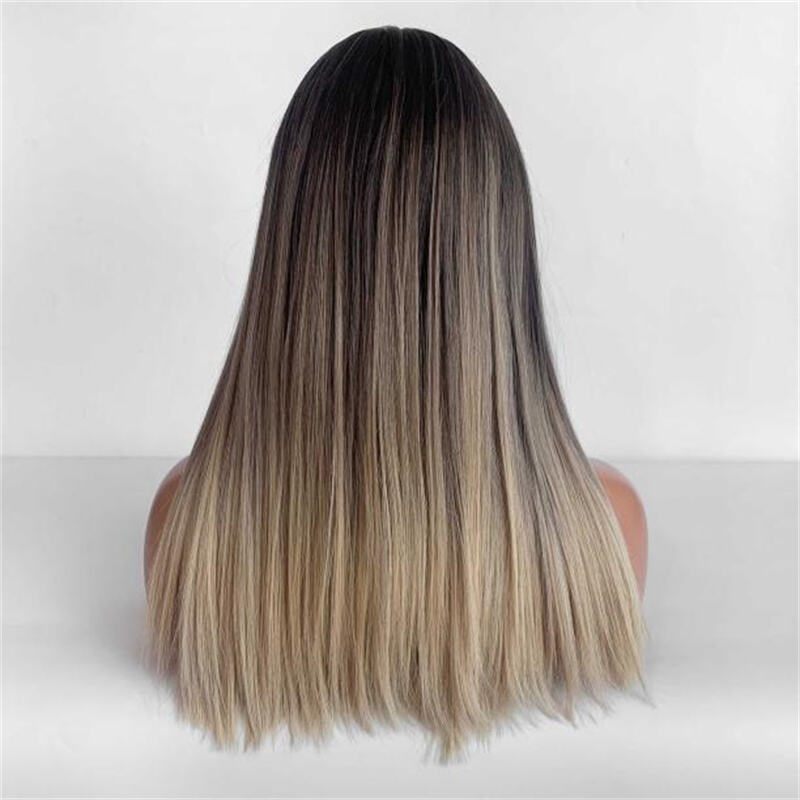

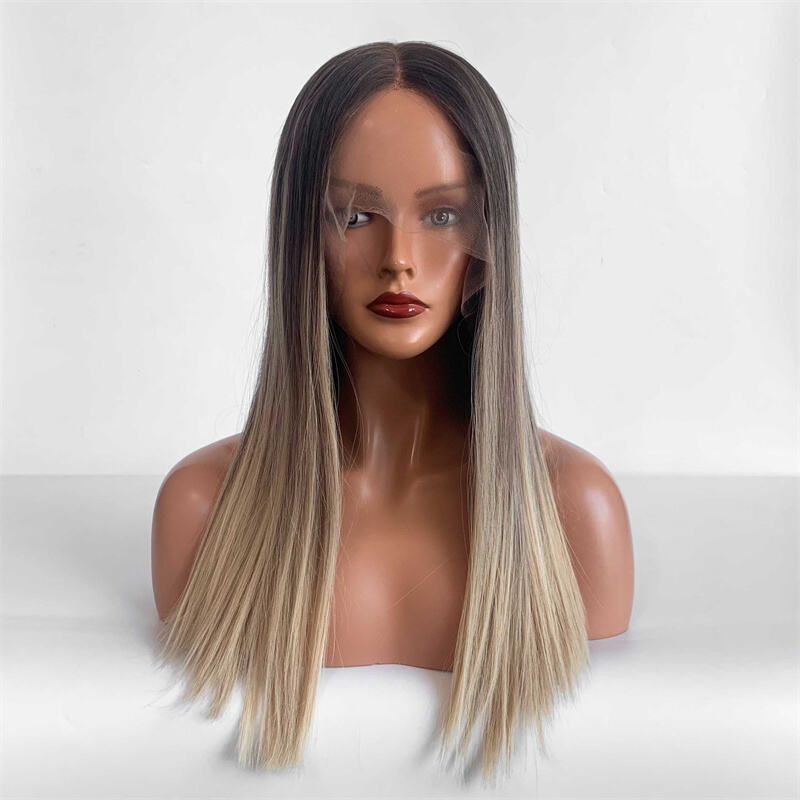
A Jewish wig, commonly known as a Sheitel, is far more than a beauty accessory. It is a core religious and cultural necessity for married Orthodox Jewish women worldwide. Many outsiders confuse it with ordinary fashion wigs, but Jewish wigs carry unique historical origins, sacred religious meanings, and strict religious and production standards that regular wigs do not need to follow.
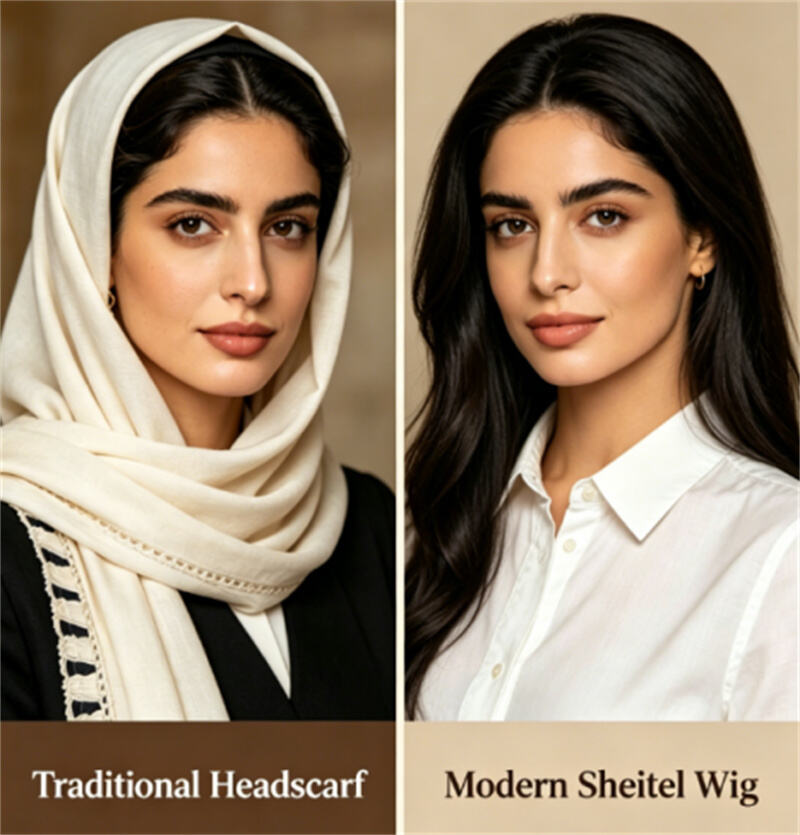
The tradition of covering hair originates from ancient Jewish religious laws, known as Tzniut (modesty). The core religious rule states that a married Jewish woman’s natural hair is private beauty, only accessible to her husband and immediate family. Early Jewish women covered hair with scarves and hats; Sheitels became the mainstream choice in the 18th century, balancing religious compliance, comfort and natural visual effects perfectly.
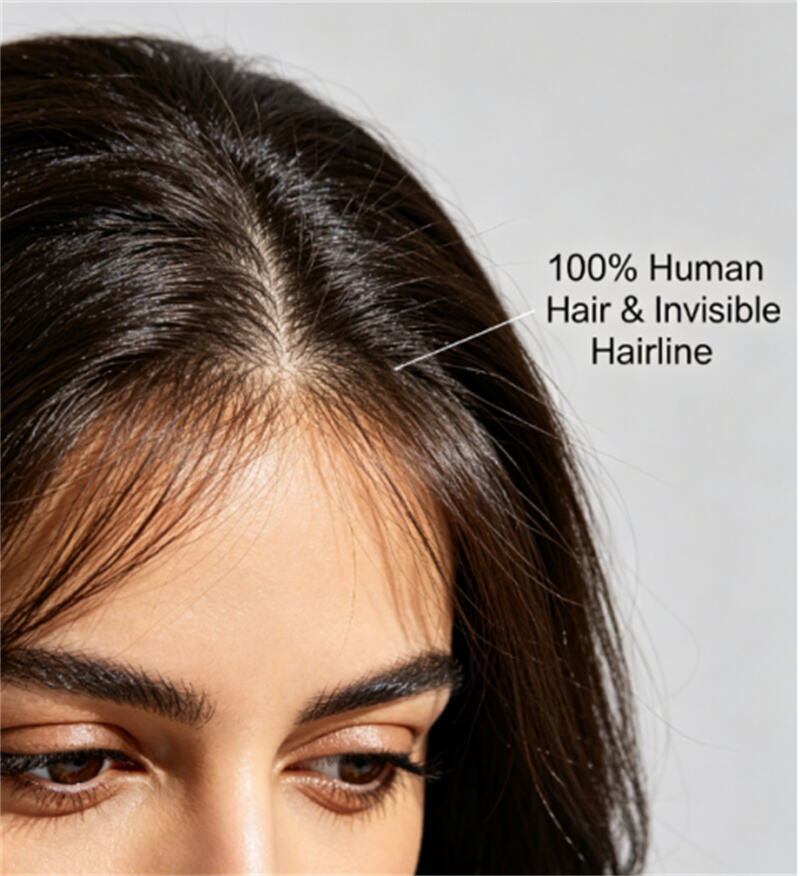
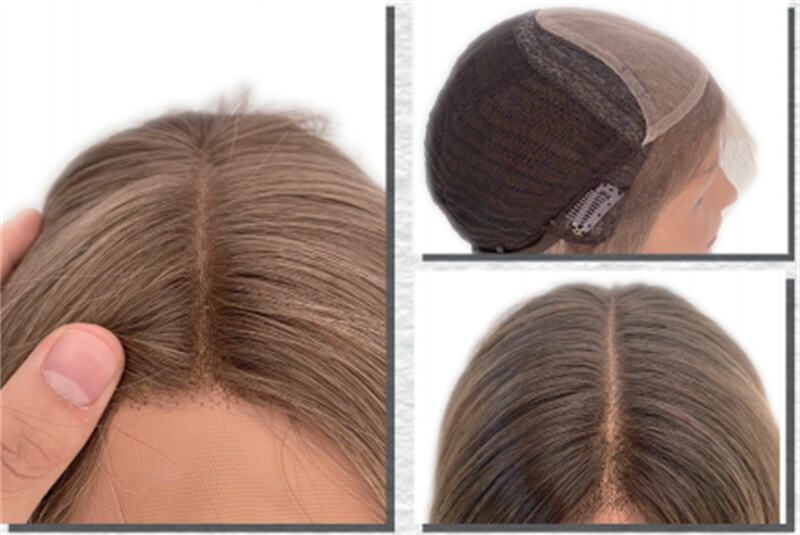
Qualified Jewish wigs have essential differences from ordinary fashion wigs and must comply with strict religious guidelines. The most critical standard is 100% pure human hair material, excluding synthetic hair mixed ingredients. Meanwhile, they feature natural hair texture, ultra-invisible hairlines and realistic scalp restoration, focusing on low-key dignity rather than trendy fashion, to meet the religious modesty needs of daily wear.
Modern Jewish wigs perfectly integrate traditional religious norms with contemporary aesthetic and wearing needs. Upgraded with exquisite handcraftsmanship, lightweight structure and seamless blending technology, they avoid bulky and fake looks, suitable for work, social and daily life scenarios. At Fasimei Hair Factory, we adhere to religious production standards, providing global wholesale buyers with high-standard, durable, skin-friendly and natural Jewish wigs that meet cultural and daily wearing requirements.