EN
EN

Hair extensions, a timeless beauty accessory for enhancing hairstyles and expressing personal style, have evolved dramatically over centuries. Their journey reflects shifts in culture, technology, and beauty standards.
Ancient Origins
The earliest hair extensions date to 3400 BCE in Egypt, where they symbolized status. Crafted from human hair, animal fibers, or plants, they were used by nobles (such as Cleopatra) for both aesthetic appeal and practical sun protection. In ancient Rome and Greece, hair additions remained a luxury, with Romans favoring jewel-adorned braids and Greeks preferring natural-looking styles.
Middle Ages to Renaissance: Decline and Revival
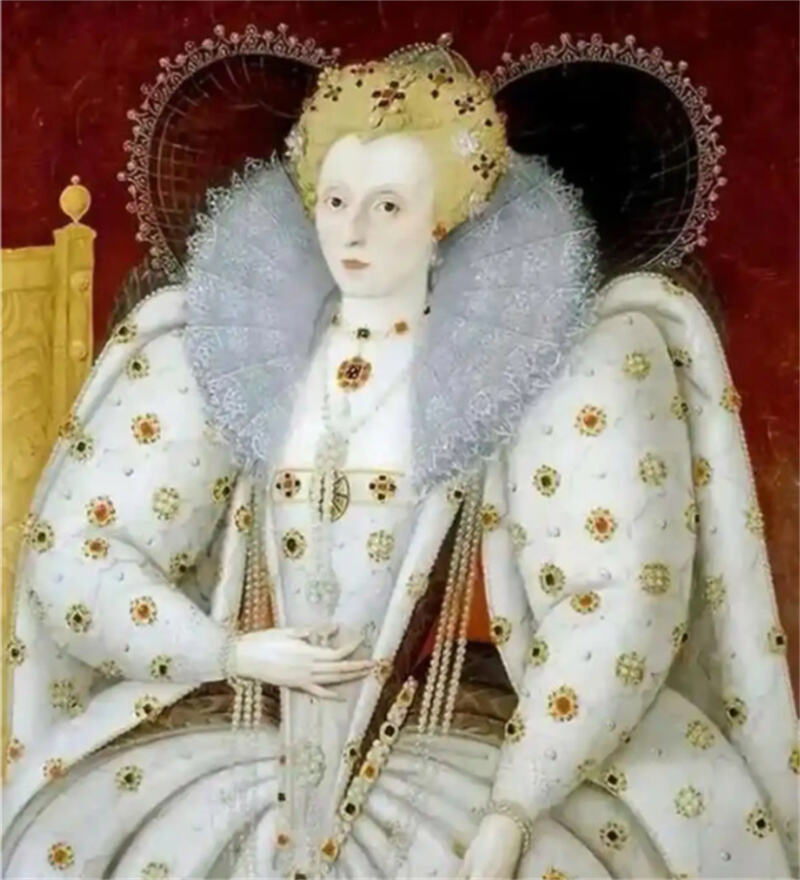
The Catholic Church’s condemnation of vanity led to a decline in hair enhancements during the Middle Ages. They experienced a revival in the Renaissance, with European nobles (e.g., Queen Elizabeth I) using human hair and wigs to create elaborate styles—an obvious sign of wealth and power.
18th–19th Centuries: Shifting Fashion and Accessibility
18th-century European nobility favored towering hairstyles built with additions, which later fell out of fashion. The 19th-century Industrial Revolution made these beauty enhancements more accessible to the middle class, thanks to new weaving techniques. Demand for wigs during the U.S. Civil War also boosted their popularity.

20th Century: Innovation and Pop Culture Influence
The 20th century brought significant innovation: synthetic hair in the 1950s reduced costs, while clip-in and fusion techniques emerging in the 1960s and 1970s simplified application. Celebrities like Diana Ross and hip-hop artists popularized bold styles, and high-quality synthetic materials (e.g., Kanekalon) enhanced the natural appearance of these accessories.

21st Century: Versatility and Ethics
Today, hair extensions are widely popular across demographics, thanks to advanced technology that improves versatility and realism. Ethically sourced 100% human hair extensions represent a key innovation, making this timeless trend more inclusive and sustainable than ever.