Products, Wholesale Products Manufacturer & Supplier in China - Juancheng Fasimei Hair Products Co., Ltd.
+86-15275249803
[email protected]
EN
EN
AR
CS
DA
NL
FI
FR
DE
EL
IT
NO
PL
PT
RO
ES
SV
IW
MT
GA
MK
Home
Products
Hair In Stock
Genius Weft
Flat Tip Hair
I Tip Hair
Nano Ring Hair
Customization
Tape Hair
Regular Tape In Hair
Semi Invisible Tape In Hair
G Tape In Hair(Original Design)
Invisible Tape In Hair
Genius Weft
Volume Genius Weft(Original Design)
Regular Genius Weft
Clip In Hair
Seamless Clip In Hair(Original Design)
G Clip In Hair(Patent Product)
PU Clip In Hair
Regular Clip In Hair
Pre-Bonded Hair
Flat Tip Hair
Mini Keratin Hair(Original Design)
Nano Ring Hair
I Tip Hair
H6 Feather Hair
Hair Weft
XO Weft
Twin Genius Weft
G Tape Weft(Original Design)
Tape Weft
Invisible Tape Weft
Machine Weft
About Us
News
Blog
Service
Video
Contact Us
Get a Quote
Home
Products
Hair In Stock
Genius Weft
Flat Tip Hair
I Tip Hair
Nano Ring Hair
Customization
Tape Hair
Genius Weft
Clip In Hair
Pre-Bonded Hair
Hair Weft
About Us
News
Blog
Service
Video
Contact Us
Get a Free Quote
Our representative will contact you soon.
Email
Phone
Social Media
Name
Company Name
Message
0/1000
Submit
Home
/
Products
ALL PRODUCTS
Hair In Stock
Genius Weft
Flat Tip Hair
I Tip Hair
Nano Ring Hair
Customization
Tape Hair
Regular Tape In Hair
Semi Invisible Tape In Hair
G Tape In Hair(Original Design)
Invisible Tape In Hair
Genius Weft
Volume Genius Weft(Original Design)
Regular Genius Weft
Clip In Hair
Seamless Clip In Hair(Original Design)
G Clip In Hair(Patent Product)
PU Clip In Hair
Regular Clip In Hair
Pre-Bonded Hair
Flat Tip Hair
Mini Keratin Hair(Original Design)
Nano Ring Hair
I Tip Hair
H6 Feather Hair
Hair Weft
XO Weft
Twin Genius Weft
G Tape Weft(Original Design)
Tape Weft
Invisible Tape Weft
Machine Weft
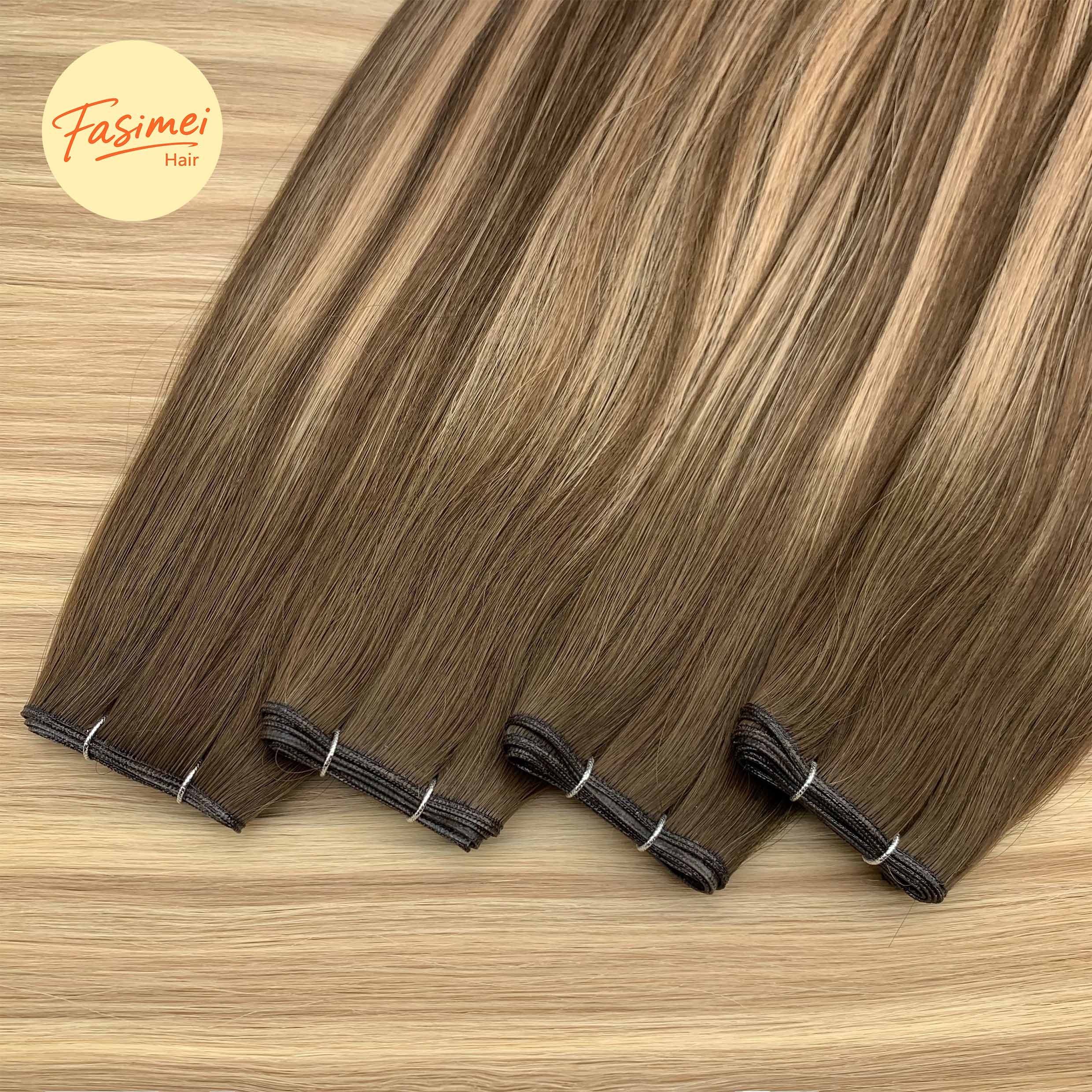
Fasimei High Quality Raw Cuticle Aligned Hair Products Genius Weft Hair Extensions European Hair Extensions
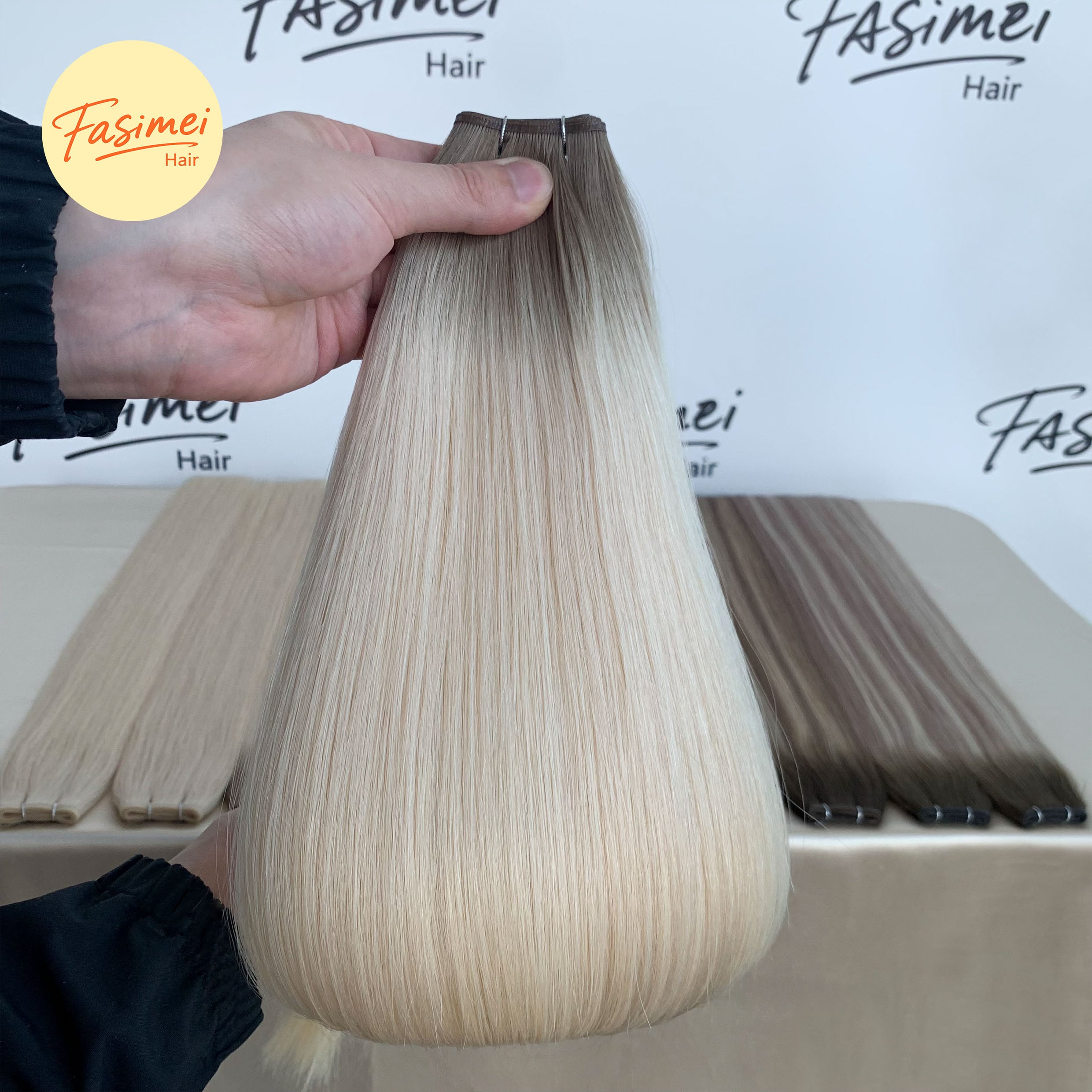
Factory Wholesale 2026 Hot Sale Double Drawn No Return Hair 100%Human Virgin Natural Hair Genius Weft Hair Extension
Russian Virgin Remy Human Hair for Double Drawn Extensions European Origin in Stock Super Double Drawn Natural Look Genius Weft
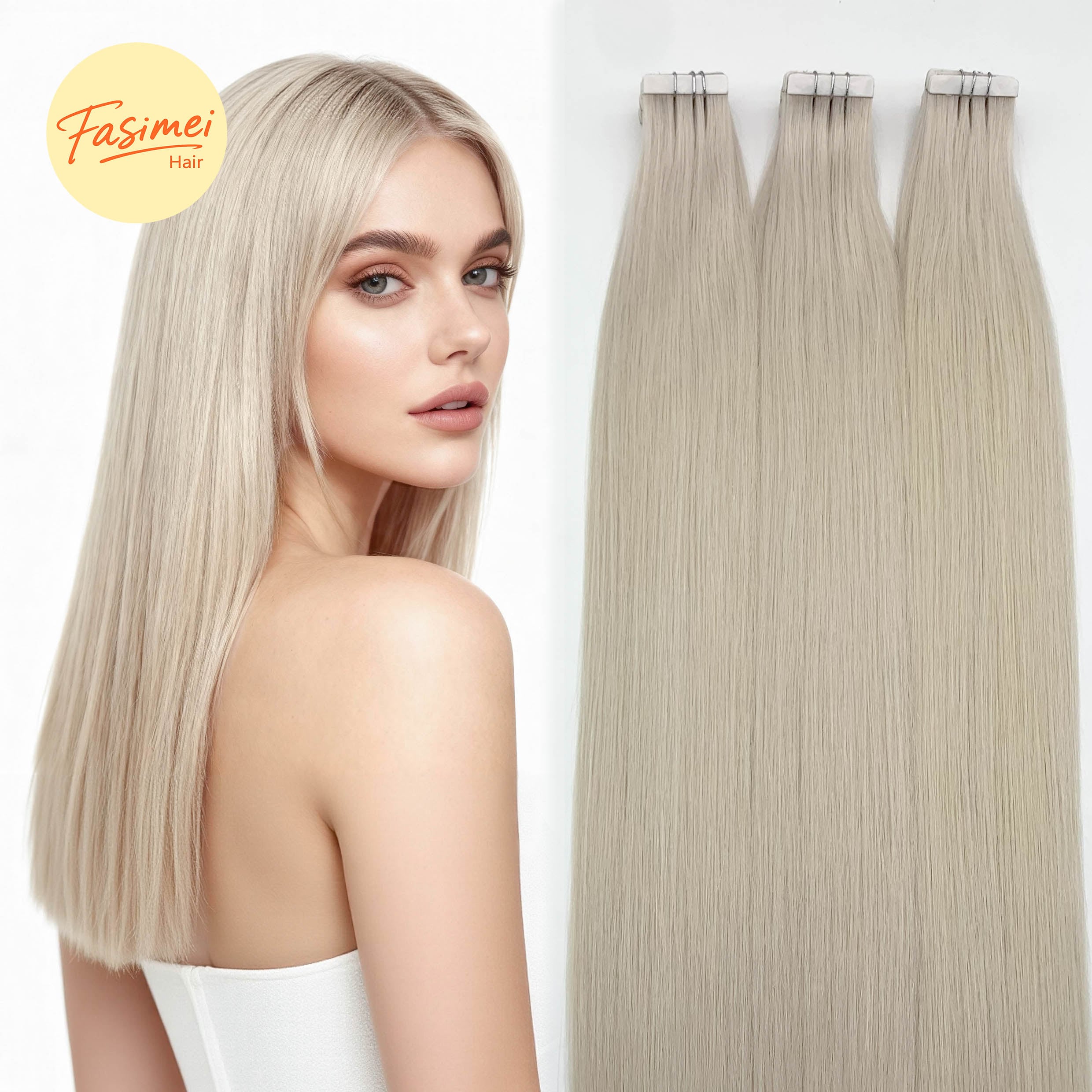
Wholesale Raw Vietnames Cuticle Aligned Real Human Silky Straight Tape in Hairs Extens European Hair Extensions
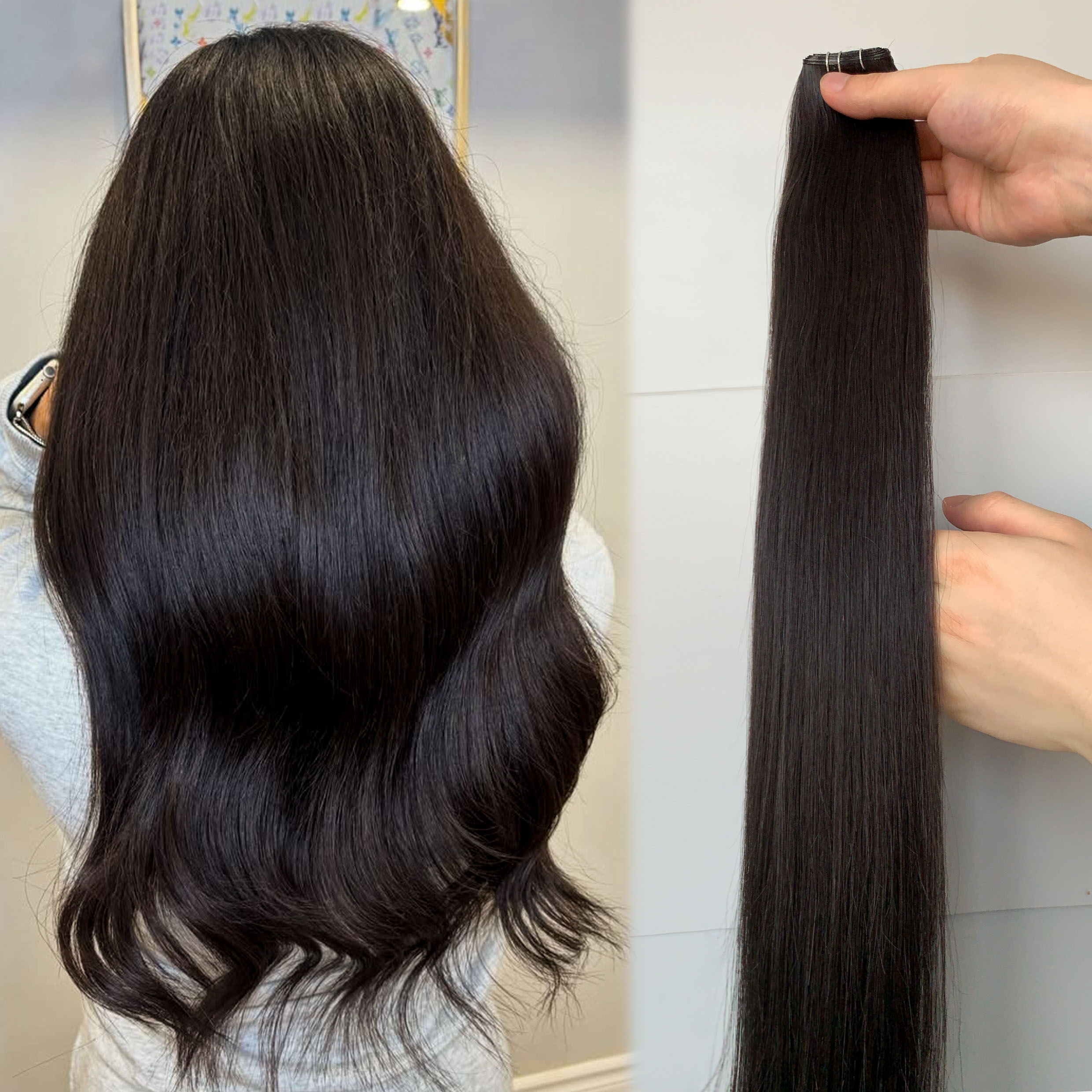
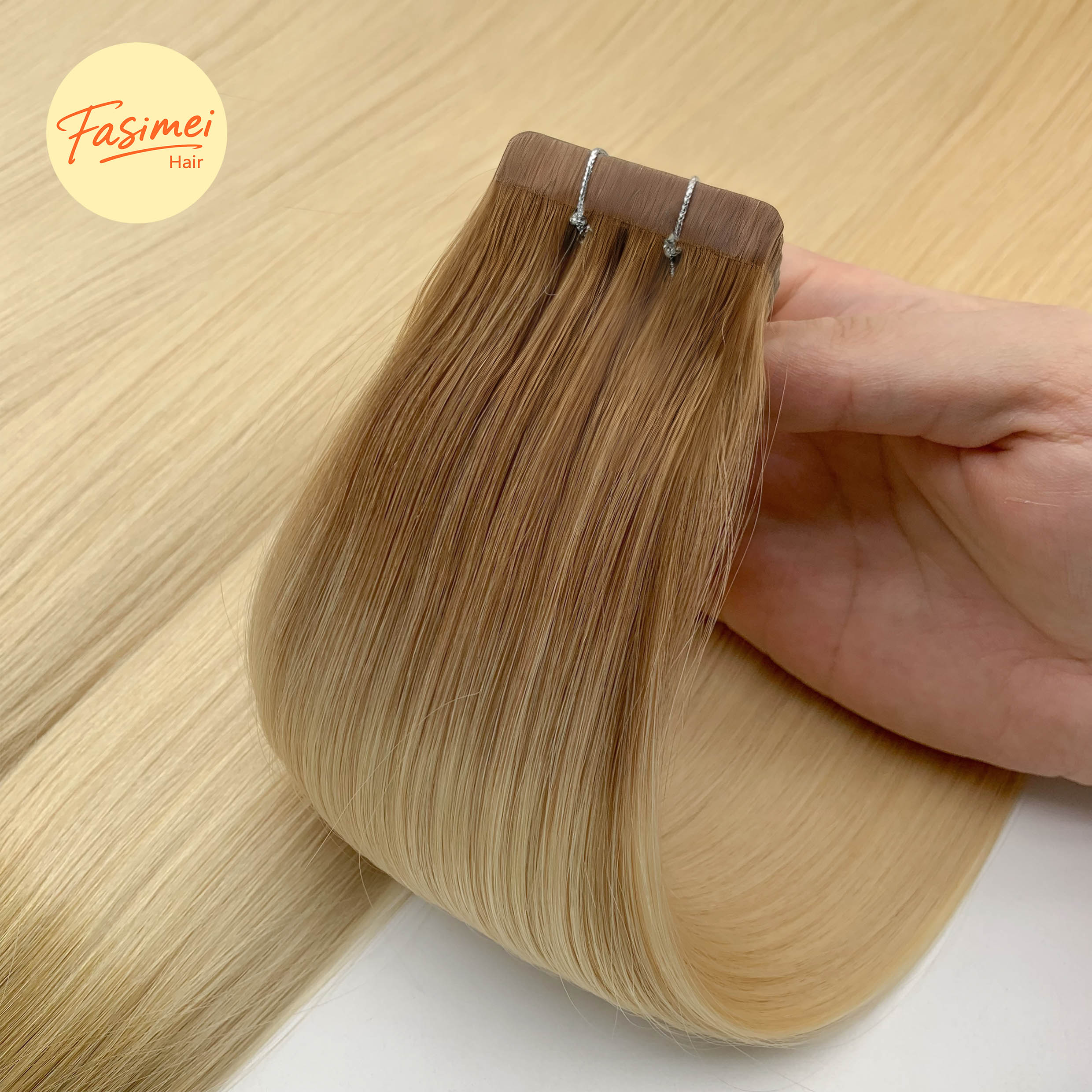
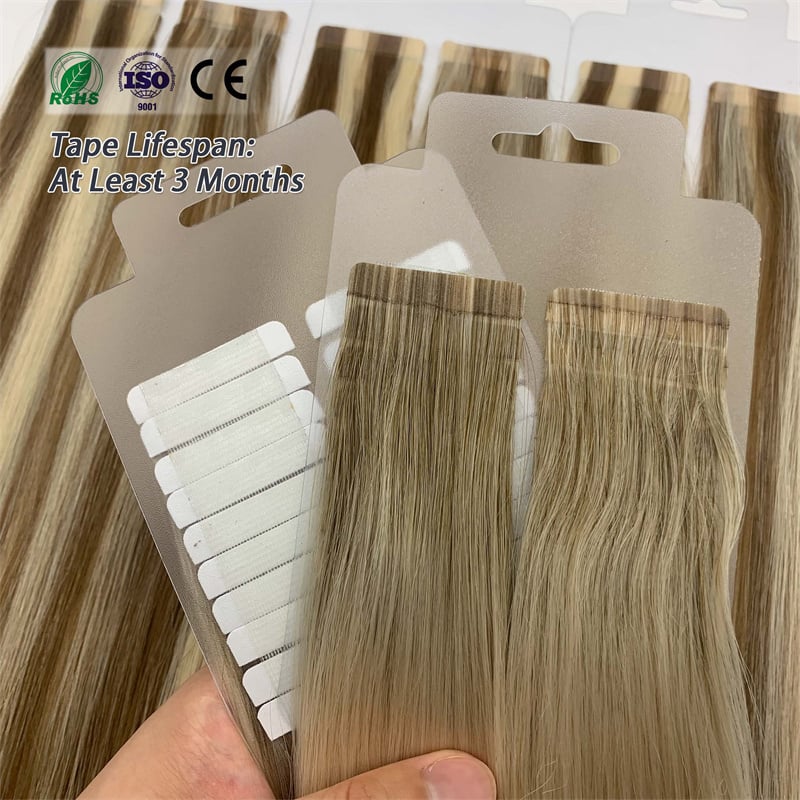
Tape Hair Extensions Double-Layer European Human Hair with Invisible Cuticle Custom Sizes & Colors Available Tape for Hair Extensions
Fasimei Seamless Invisible Tape Hair Colored European Indian Remy Human Hair Hand Tied Semi Invisible Tape in Hair Extension
Top Salon Quality Tape Hair Wholesale Double Drawn Long Tape in Hair Extensions 100% Human Virgin Raw Cuitcle Chinese Hair
Wholesale Invisible Tape Hair Hand Made Raw European Semi Injected Tape in Human Hair Extensions
Best Supplier Fasimei High Quality Super Double Drawn Semi Invisible Tape in Human Hair Extensions
Fasimei Raw Cuticle Aligned Semi Invisible Tape in Hair Virgin Remy Tape in Human Hair Extensions European Hair Products
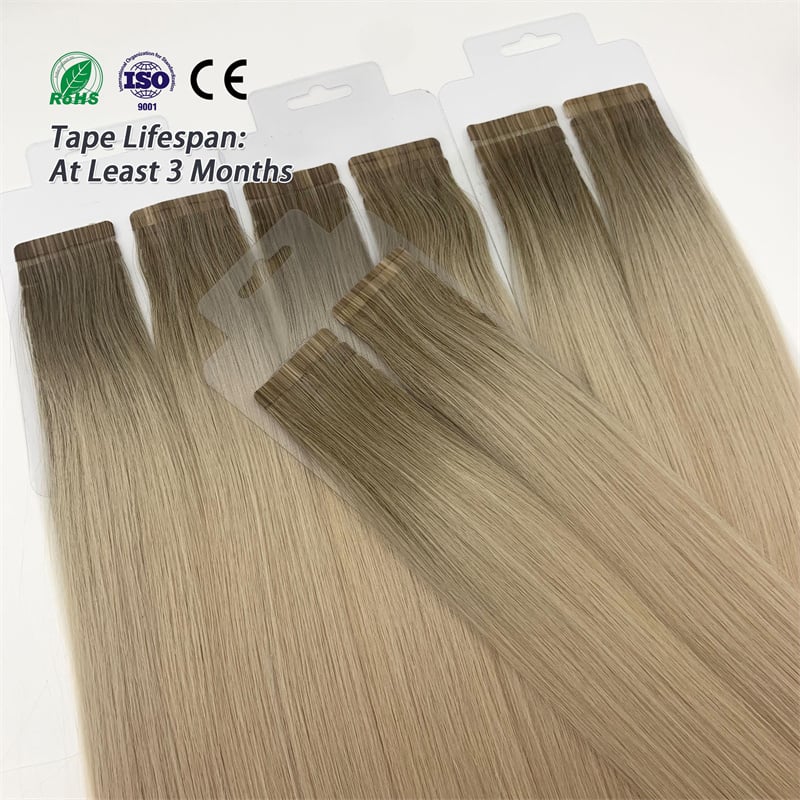
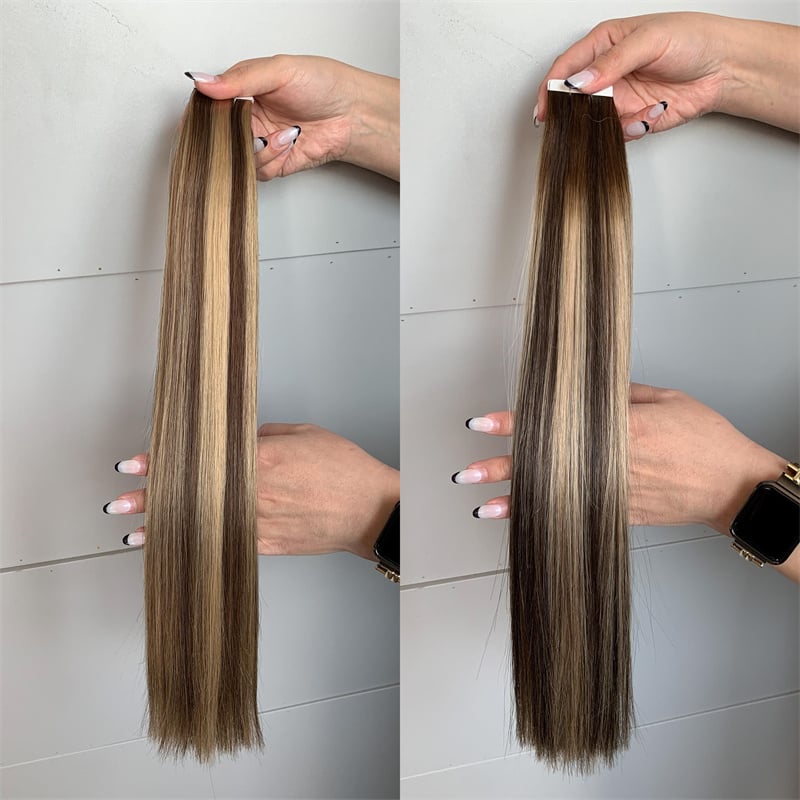
Fasimei Ready to Ship 100% Chinese Remy Hair Extensions Tape In Balayage Colors Straight Soft Human Hair Extension
Double Drawn Regular Tape In Hair Seamless Blonde Straight Human Hair Extensions With Invisible Adhesive White Invisible Tape
PREV
1
2
3
4
...
9
NEXT
HOME
Products
E-mail
Tel
 EN
EN