 EN
EN

Why Hair Extension Sample Quality Can Differ From Bulk Orders
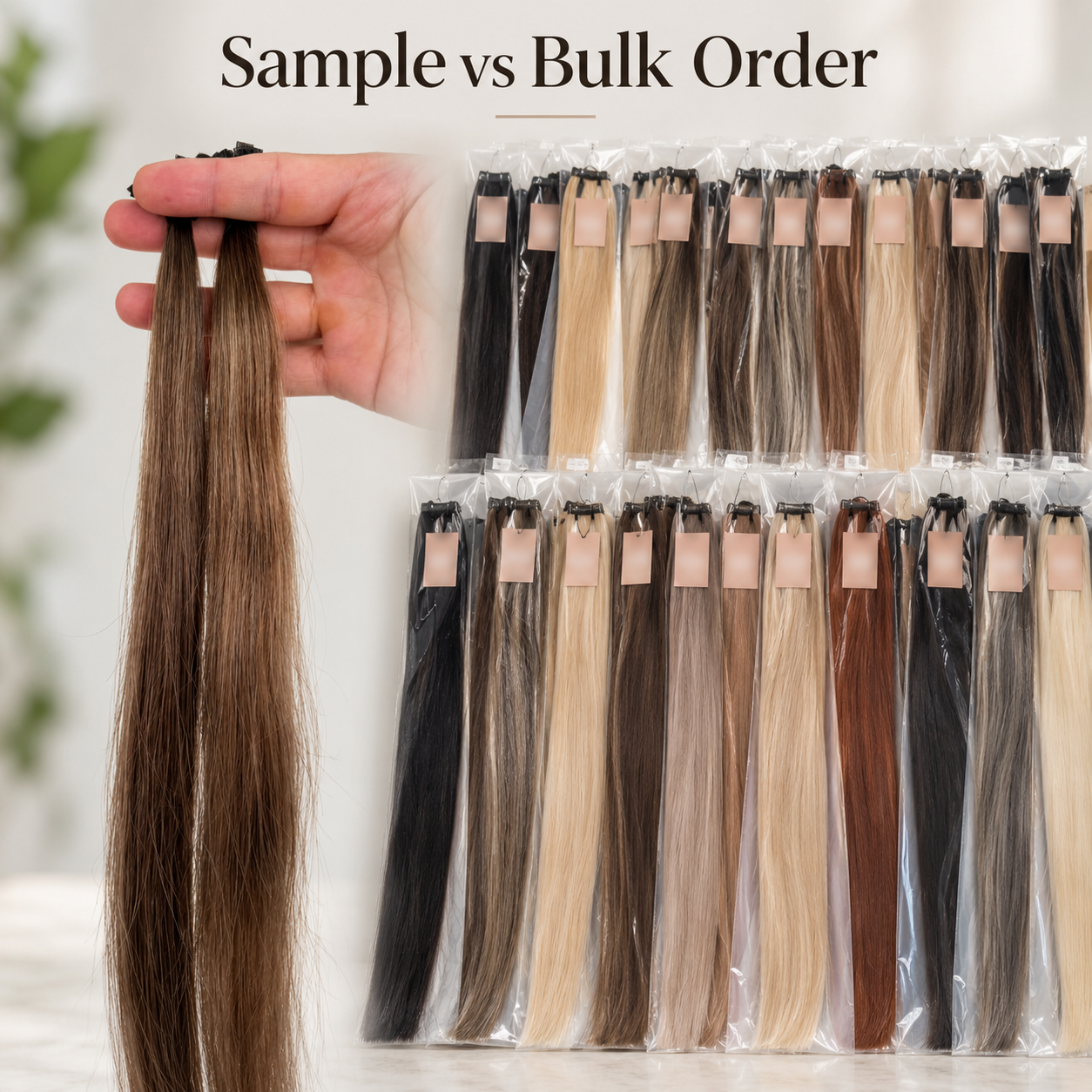
A good hair extension sample does not automatically guarantee that every unit in a bulk order will look and perform exactly the same. Differences can appear when the approved sample is not connected to a written specification, when natural raw-material characteristics vary, when color and construction requirements are unclear, or when the buyer and supplier use different acceptance standards.
Not every difference means that a supplier deliberately sent a misleading s
ample. Human hair is a natural material, and some variation can occur. The commercial question is whether the variation remains within an agreed range and whether the supplier can identify, control and resolve results that fall outside that range.
The most effective way to reduce sample-to-bulk risk is to turn the approved sample into a production reference: define the product in writing, retain physical and photographic references, set measurable tolerances and inspect the bulk order against the same criteria used during sampling.
The Sample Was Approved by Impression, Not by Specification
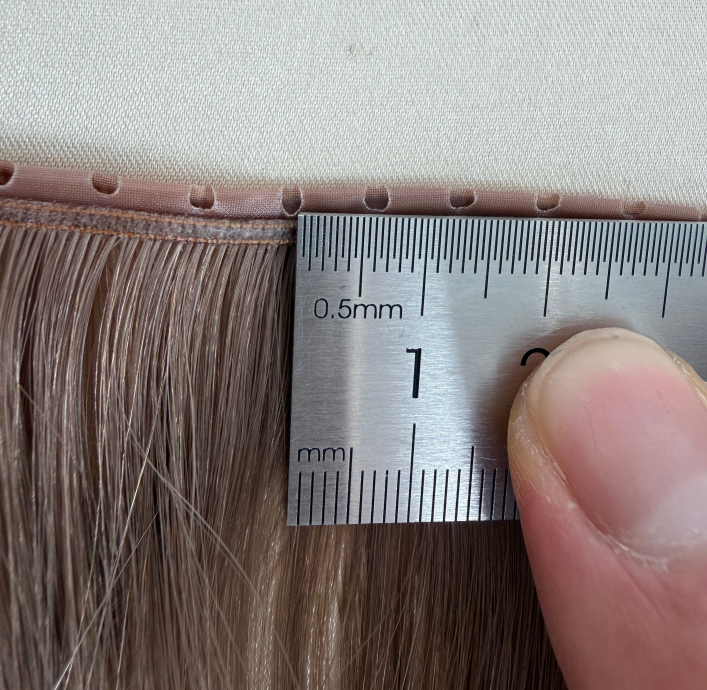
Many sample approvals are based on statements such as “the hair feels soft,” “the blonde looks good,” or “the weft is thin.” These observations are useful, but they are not sufficiently precise for production. Different people can interpret “soft,” “full ends” or “natural blonde” in different ways.
Before approval, record the product method, hair description, length measurement, net weight, color reference, root depth, tone, texture, expected ends, attachment dimensions and packaging. If a characteristic matters to the buyer, it should not remain an unwritten assumption.
For a step-by-step sample evaluation process, read our guide on how to test hair extension samples before placing a wholesale order.
Natural Raw Material Is Not a Uniform Synthetic Component
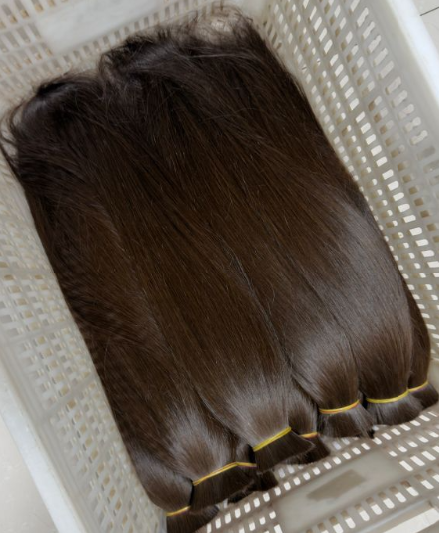
Human hair strands can differ in diameter, natural color, porosity, wave pattern and previous condition. Sorting and production control can narrow these differences, but a bulk order assembled from more material provides more opportunities for variation than one small sample.
A professional specification should therefore describe the acceptable result rather than assume that every strand will be identical. Buyers can define expectations for overall texture, color range, end fullness, manageability and visible defects, while allowing only the level of natural variation appropriate for the product and market.
Dark and Light Colors Do Not Carry the Same Processing Risk
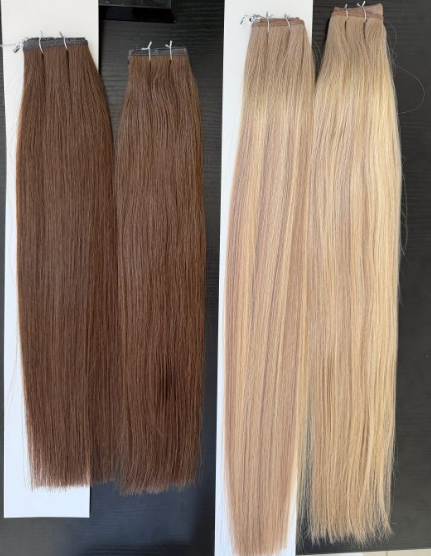
A dark sample should not be used as the only quality reference for a range that includes light blondes, rooted shades or dimensional colors. Lightening and multi-stage color work can place different demands on the material and process. The starting hair, target tone and processing control can all affect the final condition.
Approve the actual color families you plan to purchase. Record shade references under consistent lighting and test representative dark, blonde and custom-color samples separately. A shade number alone is not enough because numbering systems are not universal between suppliers.
Length Weight and End Fullness Were Never Given Tolerances
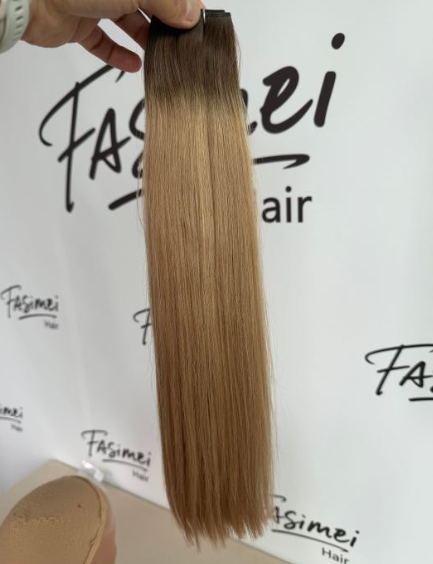
Two products can carry the same nominal length and weight while looking different. The measurement starting point, degree of natural taper, distribution of shorter hairs and product construction all affect the visual result.
The purchase specification should state how length and net hair weight are measured and what tolerance is accepted. The approved sample or approved photographs should also show the expected appearance of the ends. Terms such as “double drawn” should be supported by an agreed visual and measurement standard rather than treated as a universal grade.
The Construction Changed Between Sample and Production
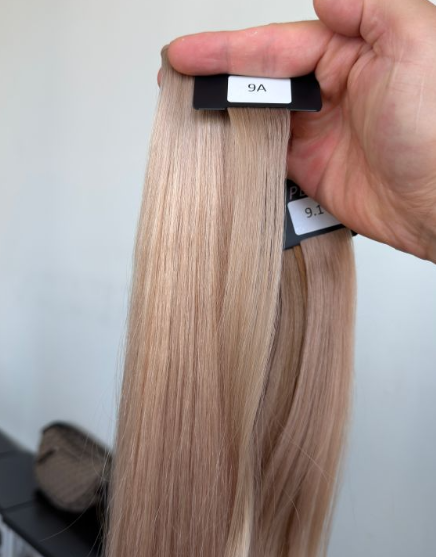
Sample-to-bulk differences can come from the attachment, not only the hair. A Genius Weft may differ in track thickness, width, stitching, return-hair control or cutting behavior. Tape-In products may differ in tab dimensions, hair distribution or adhesive system. Keratin, I-Tip and Nano products may differ in individual bond size, shape and weight.
Measure the construction during sample approval and include critical dimensions in the order. If the product will be installed with a specific salon method or tool, complete a small professional installation trial before the bulk order.
The Best Sample Was Not Defined as the Production Reference
A presentation sample can show what a supplier is capable of producing, but bulk control requires a reference linked to the order. Ask whether the supplier will retain a matching approved sample, sample code, color reference, specification version and dated approval record.
For custom development, the final approved revision, not the first sample, should become the reference. If changes were discussed through messages, consolidate them into one final specification before production begins.
Details Changed Between Sampling and the Purchase Order
Sometimes the bulk result differs because the commercial order is not identical to the tested sample. The buyer may add new lengths, shades, weights or packaging after approval. The supplier may quote a different configuration, or an old message may be used instead of the final revision.
Before payment or production approval, compare the purchase order line by line with the approved sample record. Mark every new or untested variation. A new color, length or method should not inherit approval automatically from a different product.
Inspection Checked Appearance but Not the Agreed Standard
A final inspection that only asks whether the products “look good” may miss specification errors. Inspection should verify the agreed identity and measurable characteristics of the order: product, shade, length, net weight, quantity, construction, labeling and packaging. Performance checks should use a documented method appropriate to the product.
The same scorecard used for sampling should be used again for the trial order and incoming bulk inspection. This creates a traceable comparison and makes quality discussions more objective.
What Variation Is Reasonable and What Is Not
|
Observation |
Possible interpretation |
Buyer action |
|
Small natural texture nuance within the approved look |
May be reasonable for a natural material |
Record and compare with the agreed visual range |
|
Minor shade or measurement variation inside a written tolerance |
Potentially acceptable when consistently defined |
Verify the tolerance and sampling method |
|
Wrong product method or construction |
Specification failure |
Document and stop approval |
|
Weight or length outside the agreed tolerance |
Measurable nonconformity |
Recheck the method, record evidence and raise a claim |
|
Color family, root depth or blend differs from the approved reference |
Approval-reference failure |
Compare under agreed light and request corrective action |
|
After-wash behavior changes materially under the same test |
Performance inconsistency |
Retest controls and investigate the batch |
|
Packaging or labels differ from the approved artwork |
Private-label specification failure |
Quarantine affected units and agree resolution |
How to Reduce Sample to Bulk Differences
Create One Controlled Specification
Use a dated document with a version number. Include product, hair terminology, length, weight, color, texture, construction, packaging, tolerances and the intended use case. Attach approved images or color references where useful.
Retain the Approved Reference
Keep an untouched approved sample when possible. Record the supplier sample code and approval date. The supplier should retain a corresponding reference or a documented sample record for production and final inspection.
Approve Representative Variations
Do not assume that one dark shade, one length or one construction represents the entire collection. Identify the highest-risk combinations, often light colors, long lengths, custom blends or technically sensitive attachments, and approve representative examples.
Define Tolerances Before Production
Agree which characteristics are measured, how they are measured and what range is acceptable. Tolerances should be appropriate to the product rather than copied from an unrelated item.
Use a Trial Order or Preproduction Confirmation
For a new supplier or new product, a controlled trial order can test repeatability, packing, communication and issue handling before inventory risk becomes large. A preproduction confirmation may also be useful for a custom color or revised construction.
Inspect Incoming Goods With the Same Scorecard
Use consistent lighting, measurement tools, wash conditions and photo angles. Record the inspected sample size and any nonconformity. Evidence should identify the product and batch rather than showing an isolated strand without context.
Agree How Nonconformities Will Be Resolved
Before problems occur, clarify the evidence required, reporting period and possible remedies. A good quality agreement does not promise that variation will never happen; it provides a shared process for identifying and resolving results outside the approved standard.
A Practical Sample to Bulk Control Checklist
The written specification has a date, version and responsible approver.
The approved sample, sample code and photographs are linked to the purchase order.
Color, root, tone and blend are defined with a physical or controlled visual reference.
Length, net weight and critical construction dimensions have measurement methods and tolerances.
High-risk colors, lengths and methods have been sampled or clearly marked as untested.
Final production changes have been consolidated into the purchase order.
Supplier and buyer will inspect against the same acceptance points.
Incoming goods will be checked before products are distributed to salons or customers.
Nonconformity evidence and resolution steps have been agreed.
How Fasimei Uses Sample Approval
For wholesalers, professional salons and private-label brands, Fasimei uses the sample stage to confirm product requirements rather than treating the sample as a general display piece. A useful request identifies the product method, target quality, length and weight, color direction, construction, packaging and intended market.
Sample discussions may cover Genius Weft, Tape-In, Keratin, I-Tip, Nano Ring and other professional formats, together with custom colors, specifications and private-label requirements. Buyers should provide structured feedback and confirm the final approved version before bulk production. The objective is controlled repeatability, not an unrealistic promise that every natural hair strand will be identical.
Frequently Asked Questions
Does a sample-to-bulk difference always mean bait and switch?
No. It may result from unclear specifications, natural-material variation, unapproved product changes or weak reference control. The key question is whether the result is within the agreed standard and how the supplier responds.
Can one approved sample represent every color and length?
Usually not. Different shades, lengths and constructions can carry different production risks. Approve representative high-risk combinations.
Should the supplier keep the approved sample?
A corresponding physical reference or well-documented sample record is useful. The buyer should also retain an approved reference when practical.
How should I prove that a bulk order differs from the sample?
Use labeled photographs, measurements, batch details and the same controlled test used during sample approval. Compare the evidence with the written specification and tolerance.
Can a factory guarantee zero variation?
Natural materials and manufacturing processes can contain variation. A professional supplier should define and control acceptable ranges, inspect production and address results outside the agreement rather than promise absolute uniformity.
Conclusion
The gap between a good sample and a disappointing bulk order often begins before production: the sample was approved without a complete specification, the reference was not retained, risky variations were not tested or inspection used a different standard.
Buyers can reduce this risk by connecting the approved sample to a controlled specification, measurable tolerances, representative product approvals and the same inspection scorecard at every stage. This turns sampling from a first impression into a practical quality-control system.
Planning a wholesale or private-label hair extension order? Contact Fasimei Hair to discuss your product specification, sample plan and approval requirements.
Table of Contents
- Why Hair Extension Sample Quality Can Differ From Bulk Orders
- The Sample Was Approved by Impression, Not by Specification
- Natural Raw Material Is Not a Uniform Synthetic Component
- Dark and Light Colors Do Not Carry the Same Processing Risk
- Length Weight and End Fullness Were Never Given Tolerances
- The Construction Changed Between Sample and Production
- The Best Sample Was Not Defined as the Production Reference
- Details Changed Between Sampling and the Purchase Order
- Inspection Checked Appearance but Not the Agreed Standard
- What Variation Is Reasonable and What Is Not
- How to Reduce Sample to Bulk Differences
- A Practical Sample to Bulk Control Checklist
- How Fasimei Uses Sample Approval
- Frequently Asked Questions
- Conclusion