 EN
EN

How to Test Hair Extension Samples Before Placing a Wholesale Order
A hair extension sample should not be judged only by how soft or shiny it feels when it first arrives. For wholesalers, salons and private-label brands, the purpose of sampling is to reduce the risk of batch inconsistency, unsuitable construction, color problems and unexpected performance after washing or installation.
A useful sample test compares the product against a written specification, documents the condition before and after washing, examines the attachment structure and asks whether the supplier can reproduce the approved standard in bulk production. This guide provides a practical process that professional buyers can use before placing a larger order.
Start With a Written Sample Specification
Before the supplier prepares a sample, define what the sample is expected to represent. A request such as “send your best Genius Weft” leaves too much room for interpretation. The buyer and supplier may have different expectations for hair quality, weight, color, ends, weft construction and packaging.
Record the requested specifications before the sample is produced:
- Product method, such as Genius Weft, Tape-In, Flat-Tip, I-Tip or Nano Ring
- Hair category and verified quality description
- Length and acceptable measurement method
- Net hair weight and permitted tolerance
- Color, root depth, tone and dimensional effect
- Texture and finish
- Drawn level and expectations for the ends
- Weft, tape or bond dimensions
- Packaging and private-label requirements
- Intended market, client hair type and professional use case
Keep this specification with the sample. Without a written reference, buyers often approve a product based on general appearance and later discover that their expectations were never defined precisely enough for repeat production.
Record the Sample Before Washing
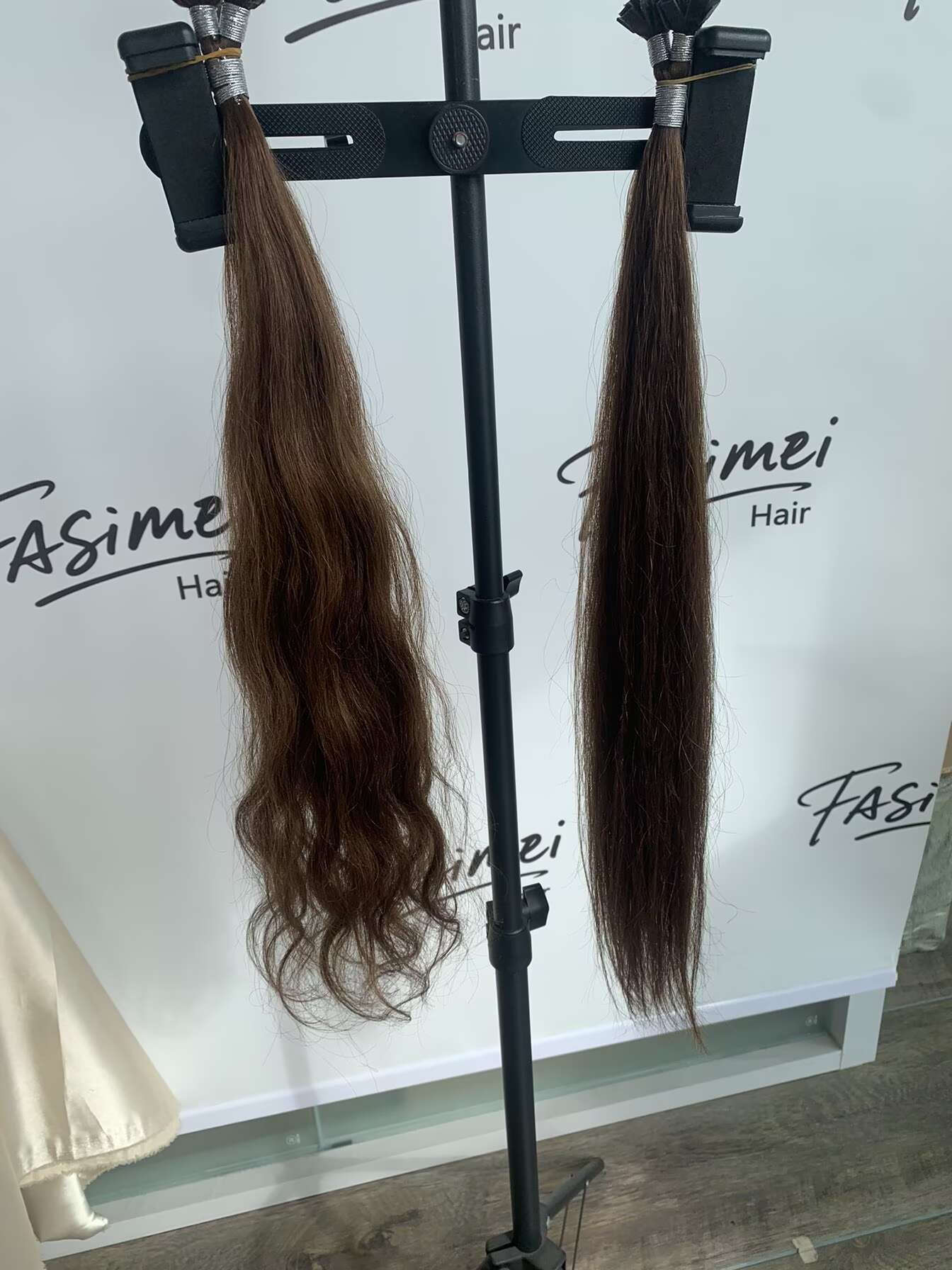
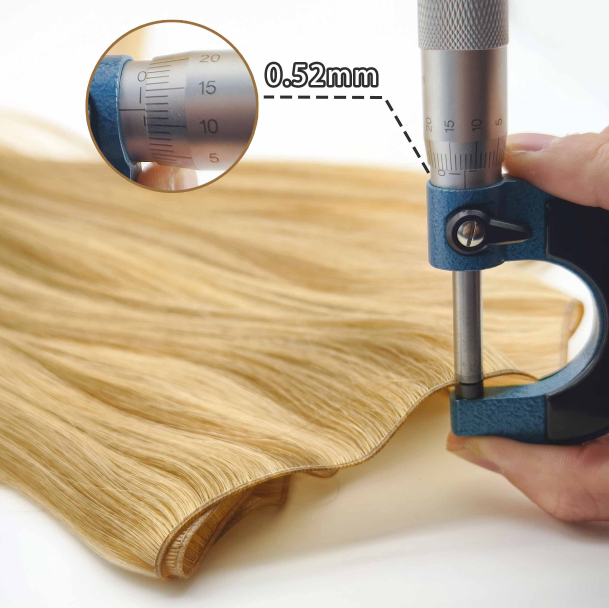
Photograph and measure the sample before any washing or heat styling. Use the same lighting, background and measuring method for every supplier. This creates a repeatable baseline and makes comparisons more reliable.
Check the following points:
- Product label, sample date and supplier reference
- Net weight without unnecessary packaging
- Length from the top of the attachment to the natural ends
- Color under neutral daylight and indoor light
- Tone consistency from root to end
- Distribution of short hairs and the visual fullness of the ends
- Texture, odor and any unusually slippery or coated surface
- Construction width, thickness and neatness
Initial softness can be useful information, but it is not a final quality conclusion. Finishing products and surface treatments can affect the first touch. Performance after controlled washing provides a more useful second observation.
Use a Controlled Wash Test
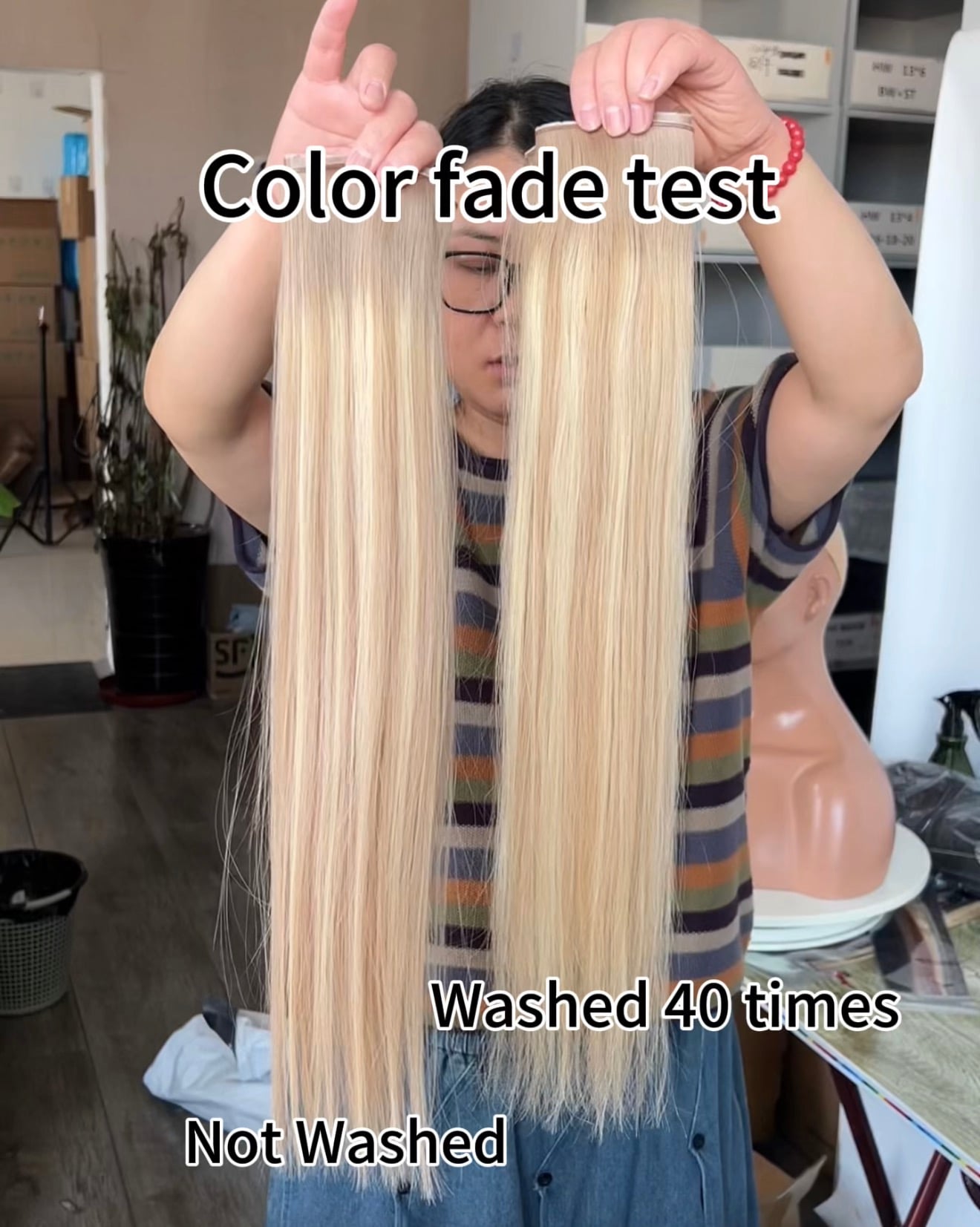
Test every supplier sample under the same conditions. Record the shampoo used, water temperature, washing method, drying method and whether conditioner was applied. If the conditions change between samples, the results cannot be compared fairly.
A practical first test is to divide the sample when possible. Keep one section unwashed as a control and wash the second section. Detangle gently from the ends upward, wash without aggressive rubbing and allow the hair to dry in a consistent way. Observe the hair while wet, during detangling and after it is completely dry.
Evaluate:
- How easily the hair detangles before and after washing
- Whether shedding increases during washing or brushing
- Changes in dryness, frizz, texture or surface feel
- Whether the ends remain manageable
- Whether the color visibly changes or releases excessive residue
- Whether the natural texture remains consistent across the sample
One wash cannot predict the full usable life of an extension product. It can, however, reveal immediate changes that were hidden by the original finish. For a serious supplier comparison, repeat the same documented care cycle and compare samples at the same checkpoints.
Inspect the Product Construction Separately From the Hair
Good hair and good construction are related, but they are not the same question. A sample can contain attractive hair while the weft, tape, bond or ring attachment is unsuitable for the buyer’s installation system.
For Weft Hair
- Measure the weft track and compare thickness across the length
- Check whether stitching is even and secure
- Inspect loose return hairs and the comfort of the top edge
- Confirm whether the weft may be cut and, if so, what finishing is required
- Check whether the structure fits the intended bead, sew-in or hybrid method
For Tape-In Hair
- Measure the tape tab and PU area
- Check alignment of the hair within the tab
- Confirm which replacement tape and remover system is recommended
- Evaluate whether the tab thickness and visibility suit the target client
- Test adhesive performance only according to the supplier’s stated preparation and installation instructions
For Keratin, I-Tip and Nano Products
- Measure individual bond size and weight
- Check whether bond size and shape are consistent
- Inspect the transition between hair and attachment
- Confirm compatibility with the salon’s installation tools and method
- Test a small installation with a qualified professional before approving bulk production
Evaluate Color as a Product Specification
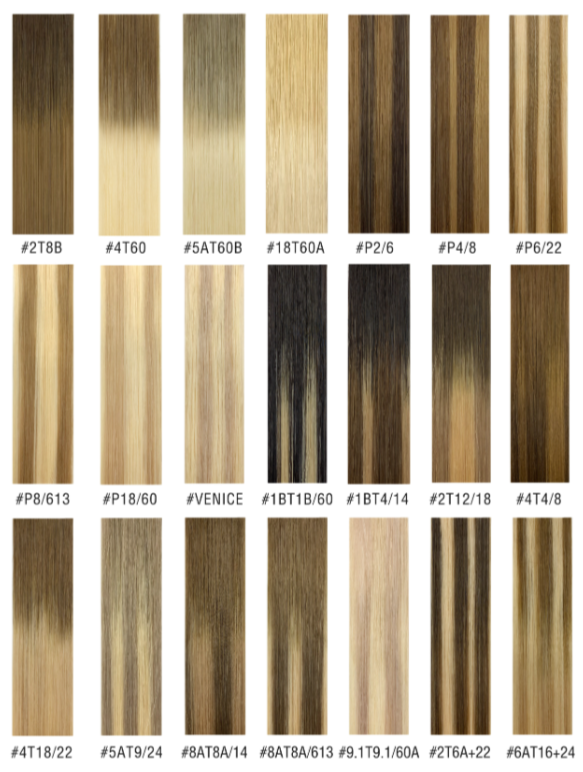
Color approval should be more precise than selecting a shade number. Shade numbers are not universal across manufacturers. Two suppliers may use the same number for visibly different tones, root depths or blends.
For blondes, rooted colors and balayage shades, record the root color and length, transition placement, warmth or coolness, highlight distribution and appearance in different lighting. Keep an approved physical reference whenever possible. Digital photographs alone can change with lighting, screens and camera processing.
Test the Product in Its Real Professional Use Case
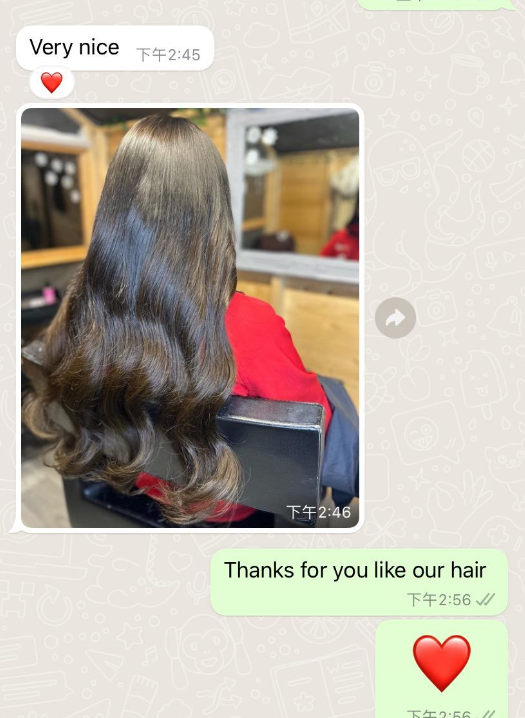
A sample should be tested for the market and client it is intended to serve. A weft designed for fine hair should be evaluated for track visibility, weight distribution and installation comfort. A light-color product should be evaluated for tone consistency and condition after the agreed care routine. A professional salon product should be handled by a trained extensionist before final approval.
This stage is especially important when comparing Genius Weft, Tape-In, Keratin or Nano methods. The best option is not determined by a product name alone. It depends on construction, client hair type, installation technique, maintenance and the business’s service model.
Compare Suppliers With the Same Scorecard
Avoid testing Supplier A with one routine and Supplier B with another. Use the same written scorecard and attach photographs to each checkpoint.
|
Evaluation area |
What to record |
Result |
|
Specification accuracy |
Product, length, weight, color and construction match |
Pass / revise / fail |
|
Before-wash condition |
Ends, texture, finish, odor and visible defects |
Notes and photos |
|
Wash performance |
Detangling, shedding, dryness, frizz and color behavior |
Notes and photos |
|
Construction |
Weft, tape, bond or tip dimensions and consistency |
Pass / revise / fail |
|
Professional trial |
Installation compatibility, visibility and handling |
Stylist feedback |
|
Communication |
Clarity of specifications, questions and revisions |
Score |
|
Repeatability plan |
Approved reference, tolerances and bulk QC method |
Confirmed / missing |
Do Not Approve a Supplier From One Perfect Sample
A sample proves that a supplier can produce or select one acceptable unit. A wholesale partnership requires something more: the ability to repeat the approved result across production batches.
Before a bulk order, confirm how the approved sample will be referenced, which specifications will be written into the order, what tolerances apply and how production differences will be handled. When the project is important, a second sample, a small trial order or a pre-production confirmation can provide stronger evidence than moving directly from one sample to a large order.
Questions to Ask Before the Bulk Order
- Will the bulk order use the same written specifications as the approved sample?
- Which characteristics have an agreed tolerance?
- How will custom colors be referenced and approved?
- What inspections are performed during and after production?
- Can the supplier retain an approved reference sample?
- What happens if the bulk order falls outside the approved specification?
- Which factors may naturally vary between batches and how are those differences controlled?
- What information must be confirmed again on repeat orders?
How Fasimei Approaches Sample Development
For wholesalers, professional salons and private-label brands, Fasimei treats sampling as a specification-confirmation stage rather than only a product display. The most useful sample request explains the target product, quality expectations, color direction, construction, packaging and intended client group.
Fasimei’s product discussions can cover Genius Weft, Tape-In, Keratin, I-Tip, Nano Ring and other professional extension formats, together with custom colors, specifications and private-label requirements. Buyers are encouraged to evaluate the physical sample, provide structured feedback and confirm the approved standard before moving to bulk production.
Frequently Asked Questions
How many hair extension samples should I test?
There is no universal number. Test enough products to represent the methods, colors and quality levels you intend to purchase. One dark shade should not be treated as proof of how a light blonde or custom dimensional color will perform.
Should I wash a hair extension sample before ordering?
Yes. Initial appearance and touch are only part of the evaluation. A controlled wash test helps reveal immediate changes in manageability, shedding, texture and surface finish.
Can one sample prove bulk-order consistency?
No. It proves only that the submitted unit met the test. Consistency also depends on written specifications, approved references, tolerances, production control and inspection of the bulk order.
Should blonde and dark hair be tested separately?
Yes. Different shades may require different processing and should not be assumed to perform identically. Test the actual shade range that matters to your customers.
What is the biggest mistake buyers make when testing samples?
Approving a sample based only on first-touch softness without confirming weight, length, color, construction, after-wash behavior and repeatability requirements.
Conclusion
A professional sample test is a controlled comparison, not a first impression. Define the specification, document the original condition, test after washing, inspect the construction and confirm how the approved standard will be repeated in production.
For wholesalers, salons and hair-extension brands, this process cannot eliminate every sourcing risk, but it creates a much stronger basis for supplier comparison, product approval and long-term quality discussions.
Looking for a professional hair-extension sample based on your target market and product requirements? Contact Fasimei Hair to discuss your specifications and sample plan.
Table of Contents
- How to Test Hair Extension Samples Before Placing a Wholesale Order
- Start With a Written Sample Specification
- Record the Sample Before Washing
- Use a Controlled Wash Test
- Inspect the Product Construction Separately From the Hair
- Evaluate Color as a Product Specification
- Test the Product in Its Real Professional Use Case
- Compare Suppliers With the Same Scorecard
- Do Not Approve a Supplier From One Perfect Sample
- Questions to Ask Before the Bulk Order
- How Fasimei Approaches Sample Development
- Frequently Asked Questions
- Conclusion