 EN
EN

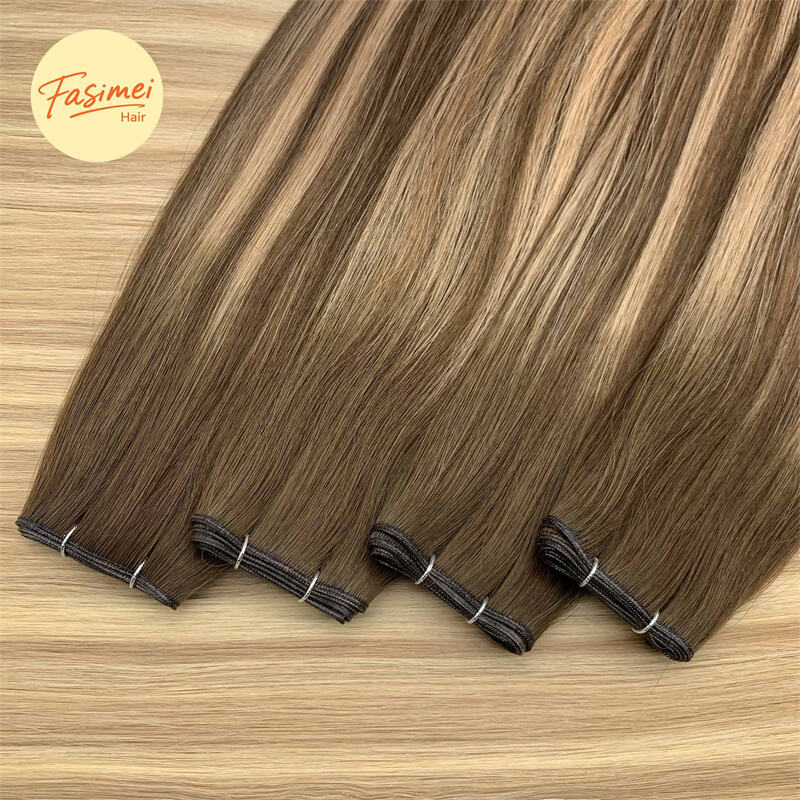
Getting hair extensions can be a great way to enhance your look, but there are several things you should consider before taking the plunge. Here are 10 important factors to keep in mind:
Hair Type and Texture
Hair extensions come in different textures, and it’s important to choose one that matches your natural hair type. Whether you have straight, wavy, or curly hair, matching the texture will ensure that your extensions blend seamlessly with your natural hair.
Cost
High-quality hair extensions can be expensive, not just for the initial installation but also for maintenance. Be prepared for regular upkeep, especially if you’re getting professional extensions that require salon visits. Clip-ins are more affordable but might need frequent replacement.
Length and Volume
How long and thick do you want your hair to be? Consider what suits your lifestyle and the look you’re going for. If you’re unsure, it might help to start with shorter extensions or less volume and gradually increase if you like the look.
Maintenance
Hair extensions require a lot of care. Depending on the type (clip-ins, tape-ins, sew-ins, etc.), maintenance can range from brushing and washing to regular salon visits for adjustments and reapplications. Are you willing to put in the time to maintain them?
Damage to Natural Hair
Some methods of extensions can cause damage to your natural hair over time, especially if they are heavy or improperly applied. It’s crucial to work with an experienced stylist who understands how to prevent traction alopecia or breakage.
Duration
Do you want something temporary (like clip-ins) or long-term (such as tape-ins, sew-ins, or keratin bonds)? Temporary extensions are great for events or trying out a new look, while long-term ones will require more upkeep but offer lasting results.
Lifestyle
Think about your daily activities. Are you active or do you frequently swim? If so, you’ll want extensions that can withstand sweat, water, and wind without slipping out or becoming damaged.
Type of Hair (Real vs. Synthetic)
Human hair extensions are more expensive but offer a natural look and versatility. Synthetic hair is cheaper but tends to be less durable and can’t withstand heat styling as well. If you plan on styling with heat tools, human hair is usually the better option.
Color Match
If you’re aiming for a seamless look, your extensions need to match your hair color. Many salons offer color-matching services to ensure the best match. If you’re using clip-ins or tape-ins, be sure to check the color in different lighting to make sure it looks natural.
Allergies/Sensitivities
Some people are sensitive to the glue or other adhesives used in certain extension methods. Before committing, check if you’re prone to scalp irritation or allergic reactions. It might be worth trying a patch test to see if you have any sensitivities.